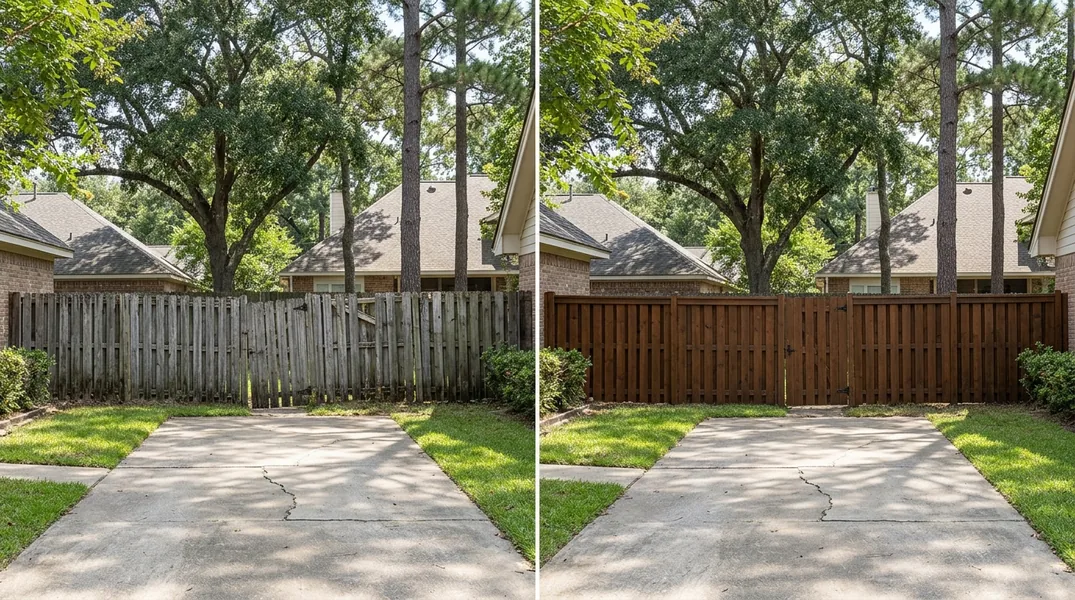
Understanding HOA Fence Restrictions in Prairieville and Gonzales
If you own a home in Prairieville or Gonzales and you're thinking about installing a fence, your first stop should be your HOA (Homeowners Association) rules, not your contractor. Many subdivisions in these communities have strict guidelines about fence materials, height, color, and placement. Ignoring these rules can result in fines, mandatory removal of your fence, or legal disputes with your HOA that can drag on for months.
The reason HOA boards enforce fence rules is to maintain property values and neighborhood aesthetics. What seems like a reasonable fence choice to you might clash with the community's established standards. Before you spend time and money on Wood & Privacy Fence Installation or any other fence type, pull out your HOA documentation or contact your homeowners association directly. Ask for their fence guidelines in writing. This simple step will save you thousands of dollars and countless headaches down the road.
Vinyl vs Wood Fence: Which Material Does Your HOA Allow?
When comparing vinyl vs wood fence options, one of the first questions should be what your HOA permits. Many HOAs in the Baton Rouge area have specific preferences, and some communities prohibit one material entirely in favor of the other. Understanding this before you make a decision ensures your investment is actually allowed.
Wood fences have long been the traditional choice for residential properties. They offer a classic, natural appearance and can be stained or painted to match your home's exterior. However, wood requires regular maintenance, including annual staining or sealing, especially in Louisiana's humid climate where moisture and mold are constant concerns. Some HOAs actually prefer wood because of its timeless aesthetic, while others avoid it due to the maintenance burden on the community's appearance.
Vinyl & PVC Fence Installation has become increasingly popular over the past decade. Vinyl requires virtually no maintenance beyond occasional cleaning with a hose. It won't rot, splinter, or require staining. Many HOAs in newer developments prefer vinyl for this reason. The downside is that vinyl can look less natural than wood, though modern vinyl products have improved significantly in appearance. Additionally, vinyl can become brittle in extreme cold, though this is rarely a concern in Louisiana.
Best Fence Material and Best Low Maintenance Fence Options for HOA Communities
When searching for the best fence material and the best low maintenance fence, your decision should factor in both HOA approval and your lifestyle. If your HOA allows multiple materials, the right choice depends on how much time and energy you want to invest in upkeep.
For homeowners who want minimal maintenance, vinyl is hard to beat. It won't fade, rot, or require painting. You simply rinse it off with a garden hose a few times a year. If your HOA is flexible on materials and you value convenience, vinyl is the practical choice. However, if your HOA mandates wood or if you prefer the warm, natural look of wood, you'll need to commit to regular maintenance or hire professionals to handle it for you.
Another option worth discussing with your HOA is Aluminum & Ornamental Iron Fencing, which offers a sophisticated appearance with minimal maintenance. Aluminum doesn't rust like traditional iron, and it requires only occasional cleaning. Some HOAs in upscale Prairieville and Gonzales communities specifically encourage aluminum or iron for its elegant, high-end look. The trade-off is typically higher upfront pricing compared to wood or vinyl.
Vinyl vs Wood Fence Cost: Budgeting for HOA-Approved Installation
Understanding vinyl vs wood fence cost is critical when planning your fence project. Both materials have different price points, maintenance expenses, and long-term value considerations that should influence your decision, especially if you're installing in an HOA community where resale value matters.
Wood fencing typically has a lower initial installation cost compared to vinyl. A basic wood privacy fence might run $15 to $30 per linear foot for materials and installation, depending on quality and local labor rates in the Baton Rouge area. However, wood's true cost emerges over time. You'll spend $500 to $1,500 annually on staining, sealing, and repairs. Over ten years, these maintenance costs can easily exceed the initial installation price.
Vinyl fence installation generally costs $25 to $40 per linear foot upfront, making it more expensive initially. However, vinyl's lifetime cost is often lower because maintenance is virtually nonexistent. You won't need to stain, seal, or repaint. This makes vinyl the smarter long-term investment for many homeowners, particularly those planning to stay in their homes for more than five to seven years. When your HOA allows both options, running the numbers over your expected ownership period can clarify which material truly fits your budget.
Steps to Take Before Hiring Your Fence Contractor
Before you contact any fence installer, complete these essential steps to ensure your project stays compliant and on track. First, obtain a copy of your HOA's architectural guidelines or fence restrictions. If you can't find the document in your welcome packet or online, call your HOA office directly. Ask specific questions: What materials are approved? What height limits apply? Are there color restrictions? Do you need written approval before installation? Are there setback requirements from property lines?
Second, review your property survey to confirm your property lines and understand any easements that might affect fence placement. Third, check local Prairieville and Gonzales building codes and zoning regulations, which may have their own height and setback rules that supersede HOA guidelines. Once you've gathered this information, you'll be ready to contact Baton Rouge Fence Installers with clear parameters for your project. Call us at (225) 267-8062 or request a free estimate so we can provide an accurate quote based on your specific HOA requirements and material choices.
Working With Your HOA and Installer for Smooth Approval
Communication between you, your HOA, and your fence installer prevents costly delays and rework. Once you've decided on a material and design, many HOAs require written approval before work begins. Submit your plans to the architectural review committee with photos of the proposed fence, material samples if available, and the contractor's specifications. This formal approval protects you legally and ensures the fence meets community standards.
When you're ready to move forward, Baton Rouge Fence Installers can help navigate these requirements. We've worked with countless HOA communities throughout the region and understand the approval process. Whether you're installing Chain Link Fence Installation for a rental property or a high-end vinyl fence for your primary residence, we ensure every detail complies with your HOA guidelines. Contact us today at (225) 267-8062 to discuss your project and get started on the path to your perfect fence.
Looking for a professional tree service in Baton Rouge? Baton Rouge Fence Installers responds fast for all your fence needs.
Get a Free Quote